How to Stop Sales Leads From Going Cold
By the Tracklibute team · October 24, 2026
Sales leads rarely go cold all at once. More often, a promising conversation ends without a clear next step, a follow-up gets buried, or a proposal sits unanswered while the team focuses on newer opportunities. For small B2B sales teams without a dedicated sales operations function, these gaps are easy to create and hard to spot. To stop sales leads going cold, you need more than reminders to “follow up.” You need a practical system for recognizing interest, maintaining momentum, and deciding when to step back. Here’s how to build that system without adding unnecessary administration.
1. Identify Where Momentum Is Breaking Down
Before increasing your outreach, work out why leads are losing momentum. A quiet inbox does not always mean a prospect has lost interest. They may be waiting on internal approval, struggling to prioritize the project, or unsure what you need from them next.
Start by reviewing active leads and opportunities. Look for:
- Conversations that ended without an agreed next step.
- Inbound inquiries that have not received a relevant response.
- Meetings with no documented outcome or follow-up owner.
- Proposals sent without a scheduled review.
- Deals whose expected close dates have passed without an explanation.
These are different problems, and they need different responses. An unanswered inquiry needs timely qualification. A stalled proposal may need help with stakeholder questions. A prospect who explicitly postponed the project needs a future check-in, not a stream of reminders.
Define a stalled lead using context rather than one universal deadline. A missed response after a requested quote may warrant attention sooner than silence during a known budgeting process.
The useful question is not simply “When did we last contact them?” It is “What should have happened next, and did it happen?”
2. Give Every Active Lead an Owner and a Next Step
Effective sales lead management starts with two essentials: someone is accountable, and the next action is clear.
For each active lead, record:
| Field | What to capture |
|---|---|
| Owner | The person responsible for keeping the conversation moving |
| Current need | The problem or outcome the prospect described |
| Last meaningful interaction | A reply, meeting, or other substantive exchange |
| Next action | A specific task, not just “follow up” |
| Due date | When the action should happen |
| Timing or blocker | What could delay the decision |
| Status | Active, waiting, nurture, disqualified, or closed |
Keep these details in your existing CRM rather than scattering them across inboxes, notebooks, and spreadsheets.
Make next steps concrete. “Check in with Taylor” gives the salesperson little direction. “Send Taylor the implementation outline on Thursday, then confirm whether operations needs to join the review” makes the action and purpose clear.
Whenever possible, agree on the next step with the prospect before ending a call:
> “I’ll send the scope summary tomorrow. Would it make sense to review it together next Tuesday, or do you need time to discuss it internally first?”
That question tests whether the opportunity is ready to progress and prevents your team from mistaking a friendly conversation for an active buying process.
3. Build Lead Follow-Up Around the Buyer’s Situation
Consistency matters, but a rigid sequence can become noise. Good lead follow-up reflects what the prospect requested, where they are in the decision, and when they expect to act.
Use a few simple follow-up patterns:
New inbound interest: Respond promptly during your working hours, acknowledge the specific request, and make the next action easy. If you need qualification details, ask only what is necessary to determine fit.
After a discovery call: Send a concise recap covering the problem, desired outcome, open questions, and agreed next step. This gives the prospect something useful to share internally.
After a proposal: Confirm receipt and arrange a review when appropriate. Avoid treating the attachment itself as the next step.
After a timing delay: Record the reason and agree on a realistic return date. If the project starts next quarter, repeated weekly nudges are unlikely to help.
After unexplained silence: Make a limited series of purposeful attempts, then ask whether to pause.
As a starting point, a small team might follow up a few business days after an unanswered message, then leave a longer interval before trying again. Adjust that rhythm to the buyer’s expectations and your sales cycle. If they asked you to reconnect in a month, honor that request.
Also set a stopping rule. Once reasonable attempts go unanswered, move the lead out of active follow-up. Respect opt-outs immediately, and avoid switching channels simply to get around a lack of response.
4. Make Each Follow-Up Worth Answering
“Just checking in” puts the burden on the prospect to remember the conversation and invent a reason to reply.
A useful follow-up does three things:
- Restates the relevant context.
- Resolves a question or adds something helpful.
- Asks for one clear next action.
For example:
> Hi Morgan, > You mentioned that implementation effort was the main concern. I’ve outlined the setup steps and what your team would need to provide. > Would a short review with your operations lead help you decide whether this is workable?
This message connects directly to a known blocker. It does not manufacture urgency or introduce an unrelated resource.
Other worthwhile follow-ups might include:
- Clarifying a pricing assumption.
- Answering a question left open during discovery.
- Providing a concise summary for another decision-maker.
- Offering a smaller initial scope.
- Checking whether an agreed deadline has changed.
Keep the request proportionate. Someone who is still assessing fit may be willing to answer a short question but not book another hour-long meeting.
For cold sales leads, acknowledge the gap without guilt or pressure:
> Hi Alex, > When we last spoke, you were reviewing options for reducing manual reporting. Is that still a priority, or has the project moved back? > If the timing has changed, I’m happy to pause and reconnect when it becomes relevant.
The goal is clarity, not a reply at any cost.
5. Review Stalled Leads Before They Disappear
A reliable process needs a review rhythm. For a small sales team, a short weekly check can surface problems without becoming another lengthy pipeline meeting.
Focus on exceptions:
- Active leads with no owner or next action.
- Overdue follow-up tasks.
- Missed commitments from either side.
- Proposals without a review plan.
- Opportunities sitting in one stage longer than expected.
- Future check-ins that are now due.
For each flagged lead, choose a concrete outcome: act now, investigate a blocker, schedule a later check-in, or close it out.
Do not judge pipeline health solely by email activity. Several sent messages do not necessarily indicate progress. More meaningful signals include a confirmed next meeting, an answered qualification question, an identified decision-maker, or agreement on evaluation criteria.
You can also monitor simple process measures, such as the number of active leads missing a next step and the number of overdue tasks. Use these to identify operational gaps, not to pressure representatives into sending unnecessary messages.
A smaller, accurately maintained active pipeline is more useful than a larger one padded with unresolved conversations.
6. Use AI to Reduce Administration, Not Remove Judgment
The challenge for small teams is maintaining this discipline while still selling. Research, meeting preparation, CRM updates, and follow-up tracking compete for the same limited time.
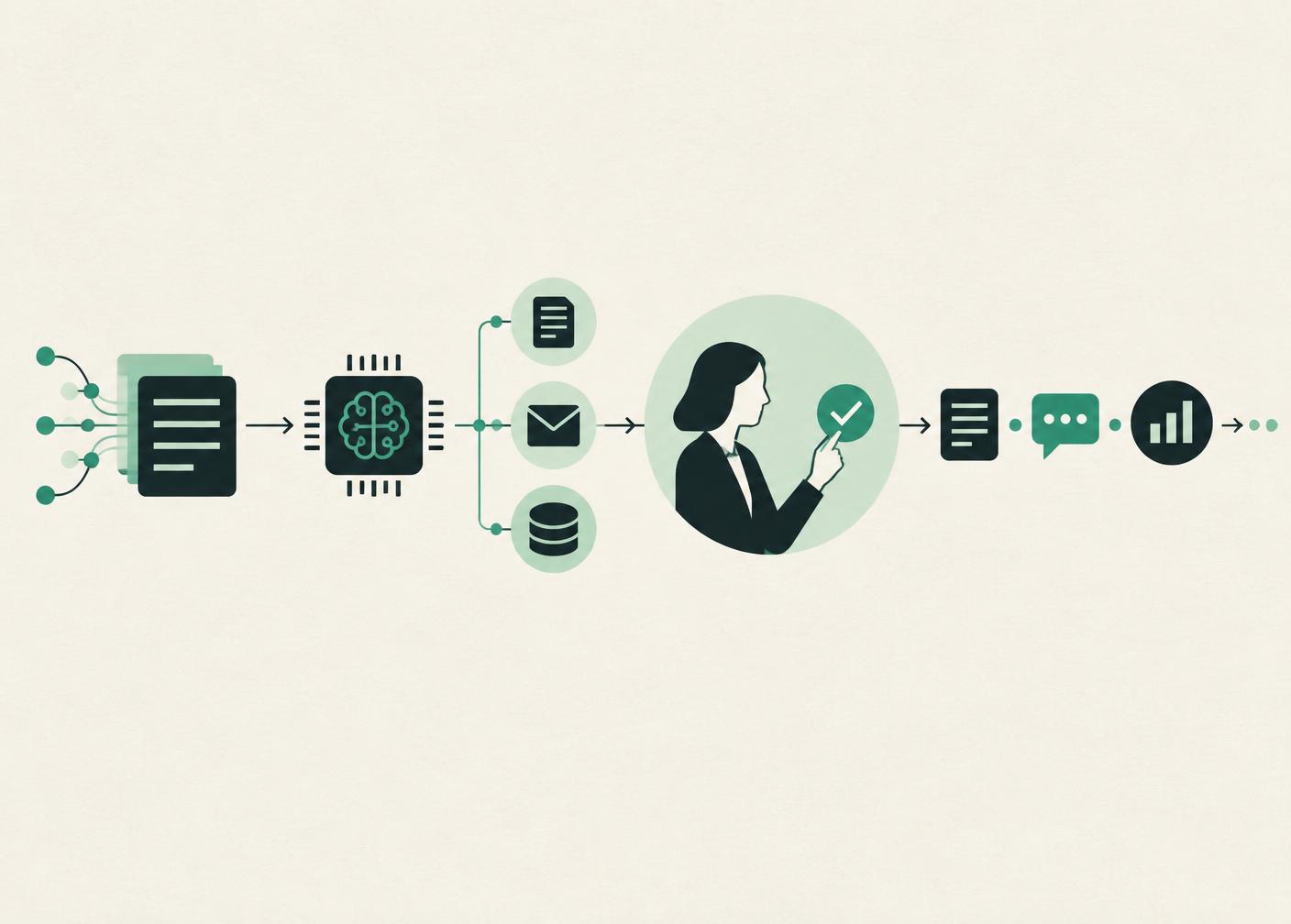
Tracklibute is an AI Sales Operations platform designed for small B2B sales teams without a RevOps team. It supports lead qualification, lead research, follow-up management, meeting preparation, CRM hygiene, pipeline monitoring, and proposal follow-up.
These activities support the fundamentals described above: clearer context, better-maintained records, and more consistent attention to next steps. Sensitive actions, such as sending emails or changing deal stages, require explicit human approval.
That boundary matters. A salesperson should assess whether a follow-up is appropriate, whether a prospect’s circumstances have changed, and whether the proposed message accurately reflects the relationship.
Start with the administrative gap that causes the most missed opportunities. If proposals regularly stall, improve proposal follow-up first. If representatives spend too long reconstructing conversations, focus on meeting preparation and CRM hygiene.
To stop sales leads going cold, make ownership, next steps, and relevant follow-up part of everyday selling. Review exceptions regularly, respect the buyer’s timing, and use AI to reduce the administrative load—not to replace human judgment.