Sales Call Preparation: A 10-Minute Pre-Call Brief Template
By the Tracklibute team · October 29, 2026
The difference between a good sales call and a wasted one is often decided before the call starts. When you walk in knowing who's on the call, what they care about and what you want to leave with, the conversation moves forward. When you open the CRM two minutes before and skim, you spend the first ten minutes catching up on things the buyer already told you.
This guide gives you a one-page pre-call brief you can fill in in about 10 minutes, with a template you can copy.
Key takeaways
- Good pre-call planning answers four questions: who, why now, what happened so far, and what you want from this call.
- Ten focused minutes beats an hour of general research.
- Always write down the outcome you want before the call, in one sentence.
- Update the CRM within five minutes of hanging up, while you still remember the details.
Why preparation matters more than it used to
Buyers do most of their research without you. Gartner found that B2B buyers spend only about 17% of their purchase time meeting potential suppliers (Gartner). When the time you get with a buyer is that limited, you can't spend it asking questions you could have answered beforehand.
The 10-minute pre-call brief
| Section | What to write | Time |
|---|---|---|
| Who | Each attendee's name, role and what they care about | 2 min |
| Company | What they do, size, anything new such as funding, hiring or a new product | 2 min |
| History | Last conversation, what was promised, open questions | 2 min |
| Why now | Why they're talking to you this month | 1 min |
| Goal | The one outcome you want from this call | 1 min |
| Questions | Three questions you need answered | 1 min |
| Next step | The next step you'll propose at the end | 1 min |
Who's on the call
Check the invite. For each person, note their role and the one thing they're likely to care about. A finance lead cares about cost and contract terms; an operations lead cares about setup time and whether the team will actually use it. If someone new has joined the invite, find out why.
What's changed at their company
Look at their website, recent news and LinkedIn for anything new: a funding round, a new leader, job posts in the team you'd help. Write down one or two points at most. This is context, not a research project.
What happened so far
Read your last notes and the most recent email thread. What did you promise to send? What did they ask that you didn't answer yet? Starting the call with "I've brought the security answers you asked for" builds trust straight away.
Why now
Every deal has a reason it's happening this quarter instead of next year. If you don't know it, finding out is one of your goals for the call.
The one outcome you want
Write it as one sentence: "Agree a trial start date", or "Get introduced to the finance lead". If the call ends without it, you'll know straight away and can follow up on that one thing.
A copy-and-paste template
- Call: [Company] – [Meeting type] – [Date]
- Attendees: [Name, role, what they care about]
- Company context: [One or two recent changes]
- Last time: [Summary, promises made, open questions]
- Why now: [Their reason for acting this quarter, or "unknown"]
- Goal for this call: [One sentence]
- Questions to ask: [1] [2] [3]
- Next step to propose: [Specific step with a date]
After the call: the five-minute wrap-up
Preparation is only half the job. Within five minutes of the call ending:
- Update the deal stage and next step with a date.
- Write three lines of notes: what you learned, what they asked, what you promised.
- Send a short follow-up confirming the next step.
This keeps your CRM accurate without a separate admin session. We cover the weekly side of that in CRM hygiene without a RevOps team.
Example: a second call with a recruitment firm
*This is an illustrative example, not a real customer.* Before a second call with a 25-person recruitment firm, the salesperson spends ten minutes on the brief. She notices a new attendee, the firm's finance director, and that the firm posted three new consultant roles last week. Her goal for the call is "agree a two-week trial with one team". She opens by answering the finance director's likely question about cost per seat, which takes the conversation straight to how a trial would work.
Where Tracklibute fits
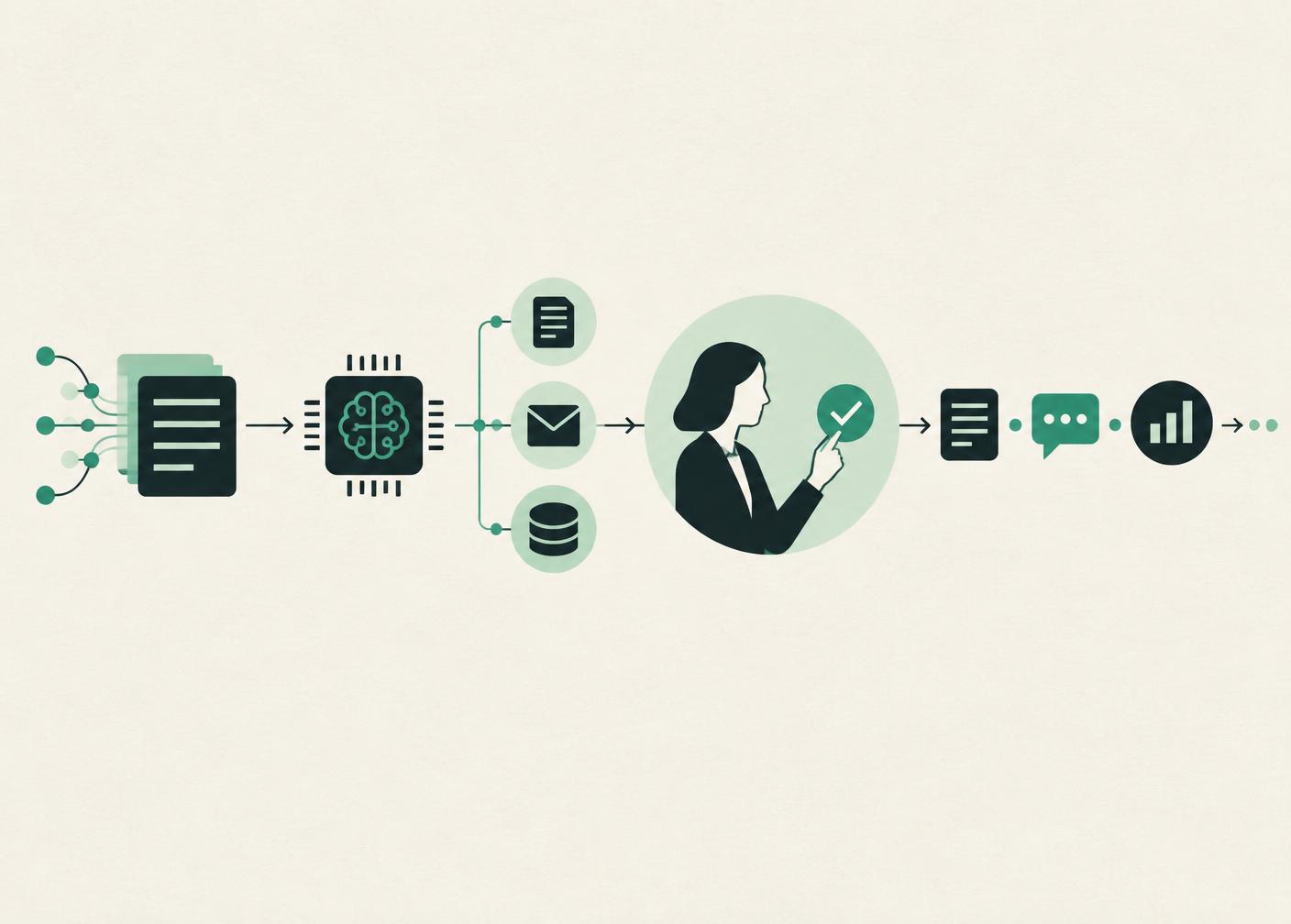
Tracklibute's meeting preparation job builds this brief for you before each meeting on your Google Calendar. It pulls attendee details, recent emails, CRM history and open questions into one page, so you spend your ten minutes reviewing and deciding on your goal, not gathering information. Any follow-up it drafts after the call waits for your approval before it's sent.
Frequently asked questions
How long should pre-call planning take?
About 10 minutes for a typical follow-up or demo call. First calls with larger accounts may justify 20 to 30 minutes.
What's the most important part of call preparation?
Writing down the one outcome you want from the call. It shapes your questions and tells you afterwards whether the call worked.
Should I share the agenda with the buyer?
Yes, a short agenda in the invite or a quick email beforehand helps everyone arrive prepared and makes the call more focused.
Sources
- Gartner, The Sense Making Seller, 2021: B2B buyers spend only 17% of their total purchase process talking to potential suppliers.