How to Spot a Stalled Deal Before It's Lost: 7 Warning Signs
By the Tracklibute team · October 29, 2026
Most deals don't die in a single moment. They slow down, then go quiet, then quietly drop off the forecast a month later. By the time someone asks "what happened to that one?", the buyer has often picked another option or shelved the project. For a small B2B team without a sales operations person, the hard part isn't fixing a stalled deal. It's noticing it early enough to do something about it.
This guide covers the warning signs we look for when reviewing a pipeline, how to check for them in about 15 minutes a week, and what to do the moment you find one.
Key takeaways
- A stalled deal is one where nothing has moved forward for longer than is normal for that stage, not just one where the buyer is quiet.
- The earliest warning signs are usually missing next steps and a single point of contact, not silence.
- Set a "normal days in stage" number for each stage, and flag anything that goes past it.
- Check for stalls weekly. Waiting for the monthly forecast is usually too late.
What counts as a stalled deal?
A deal is stalled when it has stopped making progress toward a decision, compared with what is normal for your sales cycle. A two-week gap after a proposal might be normal for a six-month enterprise deal and a red flag for a $5,000 annual contract.
That's why "no reply in X days" is a weak rule on its own. A better definition has two parts:
- Time in stage is longer than your normal range for that stage.
- No agreed next step: there is no meeting booked, no document due, no decision date.
If both are true, treat the deal as stalled, even if the buyer was friendly on the last call.
7 warning signs of a stalled deal
1. There is no next step with a date
The most reliable early sign. If the last call ended with "let's reconnect soon" instead of "let's meet Thursday with your finance lead", momentum is already slipping. Every open deal should have one concrete next step with a date attached.
2. Time in stage is past your normal range
Look at deals you have won in the last year and note roughly how long they sat in each stage. Anything well past that range deserves a look. You don't need precise analytics for this. A rough number per stage is enough to start.
3. You only know one person at the buyer
Single-threaded deals stall easily. If your only contact goes on holiday, changes priorities or leaves, the deal stops. Gartner's research found that B2B buyers spend only about 17% of their buying time meeting potential suppliers, and when they compare several suppliers, the time spent with any one sales rep may be just 5–6% (Gartner). Most of the decision happens without you, so you need more than one person inside who is moving it forward.
4. Replies are getting shorter and slower
Compare the buyer's last three replies. If they've gone from detailed questions to one-line answers, or the gap between replies keeps growing, interest or priority is fading.
5. The close date keeps moving
A close date that has been pushed back twice without a clear reason is rarely a timing issue. It usually means the buyer hasn't committed internally yet. Ask what changed.
6. The buyer stopped asking questions
Engaged buyers ask about pricing details, onboarding, security reviews and contract terms. When the questions stop and you're the only one sending messages, the deal has likely lost its internal champion or its urgency.
7. Your own notes have gone stale
If the last note in the CRM is three weeks old, nobody on your side is actively working the deal either. Stalls are often a seller-side problem: the deal wasn't lost, it was simply forgotten while newer leads took up attention.
A 15-minute weekly stall check
You don't need a dashboard to do this. Once a week, sort your open deals by "last activity" and go through this checklist for each one:
| Check | What to look for | If it fails |
|---|---|---|
| Next step | A dated meeting, task or decision | Agree a next step this week |
| Days in stage | Within your normal range | Flag it as at risk |
| Contacts | Two or more people involved | Ask to bring in a second person |
| Last reply | Within your usual reply window | Send a follow-up with a clear question |
| Close date | Not moved more than once | Ask what changed on their side |
Any deal that fails two or more checks goes on a short "at risk" list. That list is the agenda for your next pipeline conversation.
What to do when you find one
Don't send "just checking in". It gives the buyer nothing to respond to. Instead:
- Restate the problem they told you about, in their words, and ask whether it's still a priority this quarter.
- Offer a smaller next step, such as a 15-minute call with their finance lead instead of a full demo.
- Ask a direct question that's easy to answer: "Should I keep this open for Q1, or close it for now?"
We go deeper on wording and timing in our guide on how to restart a stalled deal, and on the earlier stage in how to stop sales leads from going cold.
Example: a weekly check on a small pipeline
*This is an illustrative example, not a real customer.* A four-person sales team has 30 open deals. In the weekly check, six have no next step and three of those have also gone past their normal time in the proposal stage. The team lead assigns each of the three an owner and a specific action for the week: one gets a call with a second contact, one gets a revised, smaller proposal, and one gets a direct "should we close this?" email. The other three get a dated next step added. The whole review takes 20 minutes.
Where Tracklibute fits
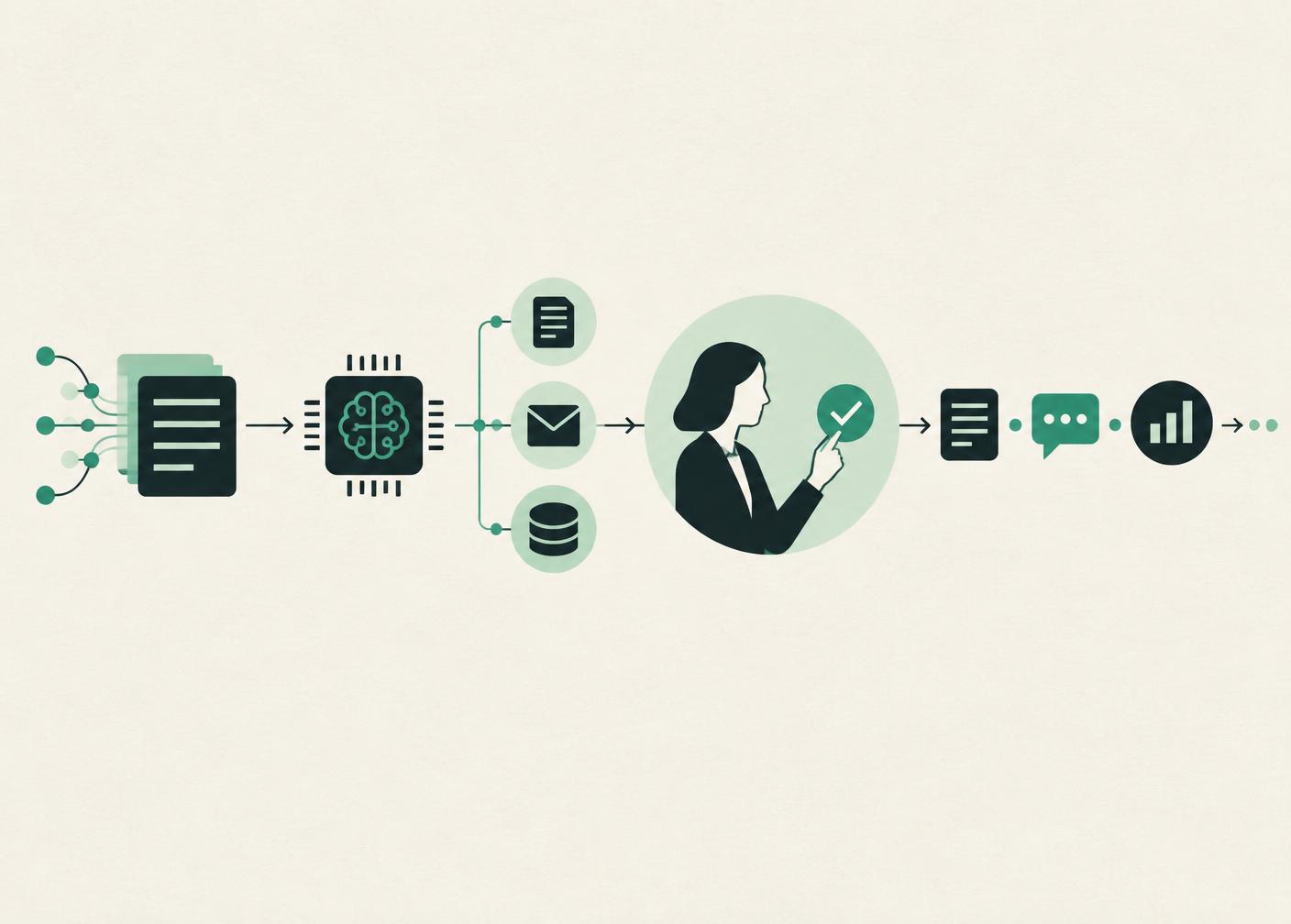
Tracklibute's pipeline monitoring runs this check every day instead of every week. It watches activity and time in stage across your CRM, flags deals that look stalled, and drafts a suggested follow-up. Nothing is sent to a buyer until someone on your team approves it.
Frequently asked questions
How long before a deal counts as stalled?
It depends on your stage and deal size. A useful starting rule is to flag any deal that has spent more than one and a half times its normal time in a stage and has no next step booked.
Should I close stalled deals?
If a buyer has said no to a direct "should we keep this open?" question, or hasn't replied to several clear follow-ups, close it and note the reason. A clean pipeline makes your forecast more honest and frees time for live deals.
Is a quiet buyer always a stalled deal?
No. Buyers may be waiting on budget approval, legal or another team. If there is an agreed next step and a date, a short silence is normal.
Sources
- Gartner, Win More B2B Sales Deals, 2018: buyers spend about 17% of buying time with potential suppliers.